Expert analysis of health reform issues
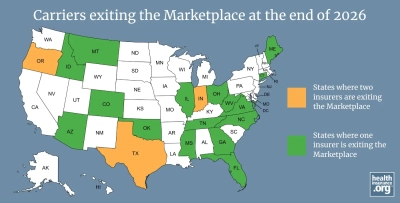
Health insurers are exiting the Marketplace again. Should consumers be worried?
June 9, 2026 – Why are insurers leaving the ACA Marketplace? New exits by Cigna and others highlight growing concerns about enrollment and affordability…
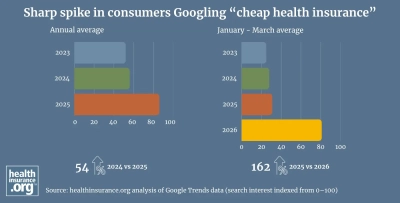
Consumer search trends signal growing cost pressure in health insurance
April 21, 2026 – Search trends reveal growing concern about health insurance affordability in 2026, as rising premiums and reduced subsidies push consumers…

ICHRA vs QSEHRA: Which is right for your small business?
April 15, 2026 – Compare ICHRA and QSEHRA to find out which health reimbursement arrangement best fits your business. Learn about eligibility, contribution…
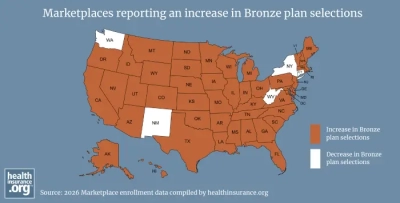
Bronze health plan popularity surges in Marketplaces
April 1, 2026 – Higher premiums and reduced subsidies are pushing Marketplace shoppers toward Bronze plans in 2026. Learn why enrollment is shifting and…

HMO vs PPO vs POS vs EPO: What’s the difference?
March 26, 2026 – The type of managed care your health plan falls under affects your healthcare costs and plan benefits – including access to medical…

Medicaid for children: 6 facts every parent should know
March 25, 2026 – Medicaid for children plays a vital role in covering kids in the U.S., but many families may not be aware of the state and federal…

I can’t afford health insurance and don’t qualify for Medicaid. What can I do?
March 16, 2026 – What can you do if health insurance feels unaffordable and you don’t qualify for Medicaid? Explore coverage options, subsidies, and…

Your guide to early retirement health insurance options
March 2, 2026 – Health insurance for early retirees: how to bridge the gap to Medicare with Marketplace plans, Medicaid, COBRA, or spouse…

Marketplace enrollees face return of the ‘subsidy cliff’ in 2026
February 11, 2026 – Congress did not extend enhanced Marketplace subsidies at the end of 2025. Now, hundreds of thousands of Marketplace enrollees are…

How sunsetting ARP’s subsidy enhancements is affecting ACA subsidy amounts
January 30, 2026 – We look what's happening to Marketplace health insurance subsidy availability and size now that the subsidy enhancements instituted under…

8 big changes reshaping Marketplace health coverage in 2026
January 28, 2026 – On January 1, eight major changes took effect that are impacting ACA Marketplace coverage in 2026, affecting subsidies, premiums, HSAs,…

What can you do if you’re feeling Marketplace sticker shock?
January 9, 2026 – The expiration of ACA subsidy enhancements is driving higher 2026 Marketplace premiums. See who’s affected and what consumers can still…